
 Ελληνικά

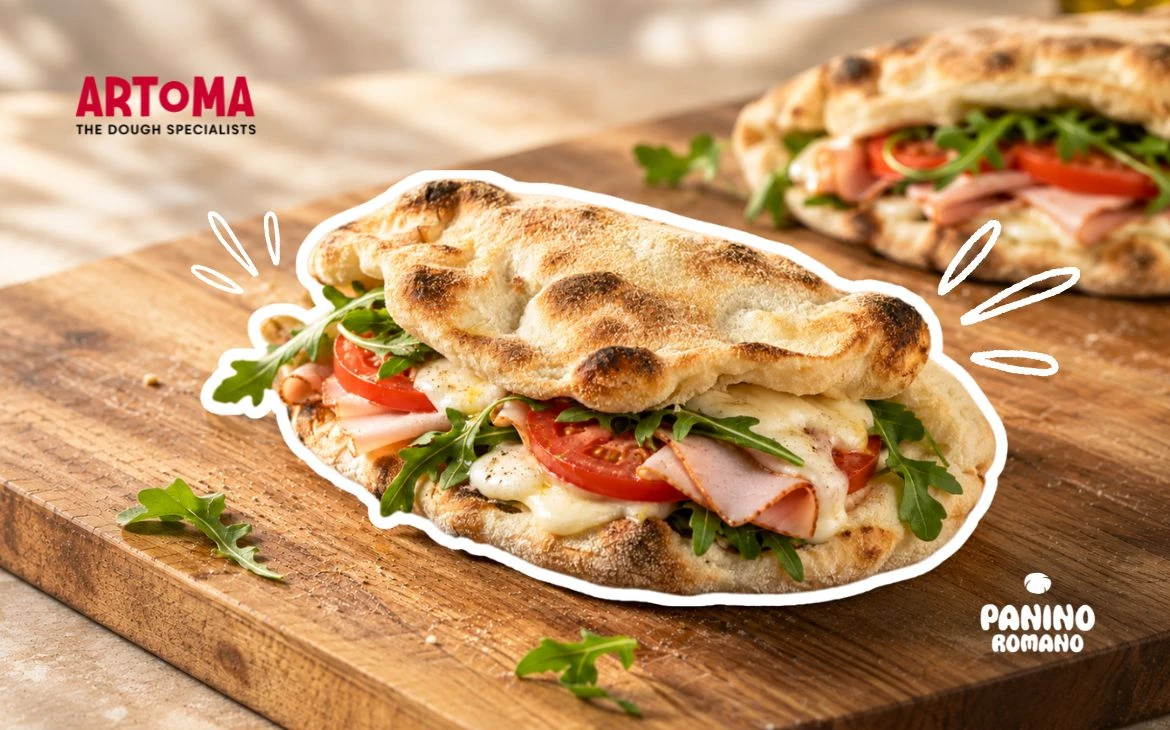
A hot sandwich can be a simple break-time option or a complete food proposition that stands out on the menu. The difference lies in the way the bread, ingredients, textures and final presentation come together.
For a café, bakery or foodservice business, creating an interesting menu with hot sandwiches does not necessarily require many different recipes. What matters most is choosing the right base, building thoughtful combinations and developing options that fit the character of the business.
From classic flavours to more creative combinations, there are many ways to refresh this familiar choice. The aim is for each sandwich to have its own identity and to give customers a clear reason to choose it.
From the Classic Sandwich to a Complete Menu Proposition
Ham and cheese remains a familiar combination. However, a professional menu can include more options without becoming overly complicated.
The starting point is balance between four elements: the base, the main ingredient, the accompaniments and the sauce or spread.
The bread largely shapes the first impression. Its flavour and texture influence how the other ingredients are perceived, while its shape can also affect presentation.
Then comes the filling. A melting cheese, a roasted vegetable or a piece of chicken can become the key ingredient around which the recipe is built.
The remaining ingredients should work in a complementary way. For example, the intensity of mustard can be balanced by a milder cheese, while the sweetness of caramelised pepper can pair with a saltier filling.
The secret is not in the number of ingredients. A sandwich with three or four carefully selected ingredients can have a clearer flavour identity than one that combines many different tastes.
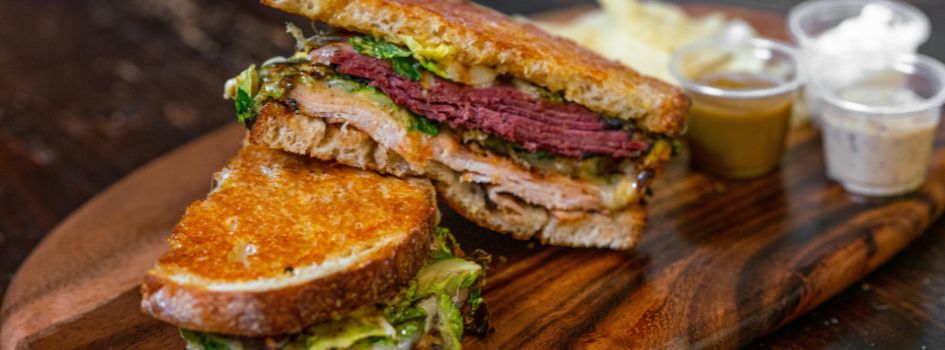
Five Hot Sandwich Ideas That Can Enrich the Menu
The combinations below are indicative flavour ideas for professional evaluation. They can be adapted depending on the style of the business, the available ingredients and the preparation method.
1. Mediterranean Sandwich with Mozzarella, Tomato and Pesto
A combination based on familiar Mediterranean flavours.
Mozzarella offers a mild flavour, tomato adds freshness and basil pesto brings aromatic intensity. For greater contrast in texture, a little rocket can be added after heating.
This option can suit a café or snack bar that wants to include a sandwich without cold cuts or meat on its menu.
Care is needed with the moisture from the tomato and mozzarella so that the base maintains the desired texture.
2. Hot Sandwich with Chicken, Cheese and Mustard Sauce
Chicken offers many pairing possibilities. A version with grilled chicken, melting cheese and a mild mustard sauce creates a sandwich with a familiar flavour profile.
For more intensity, roasted pepper can be added, while a small amount of caramelised onion can give the flavour a different dimension.
This option can be considered by businesses that want a more filling sandwich on their lunch menu.
The chicken must be cooked and stored safely before assembly, as the final heating of the sandwich does not replace proper cooking.
3. Italian-Style Combination with Prosciutto, Cheese and Rocket
For a menu with Italian influences, prosciutto can be paired with a mild cheese, a little rocket and a restrained amount of balsamic cream.
The success of this combination depends on balance. Prosciutto has a pronounced salty character, so the remaining ingredients do not need to compete with its flavour.
The rocket can be added at the end so that it retains its fresh character.
This type of option can fit into a menu that aims to differentiate itself from the more common ham-and-cheese choices.
4. Hot Sandwich with Roasted Vegetables and Cream Cheese
Vegetables can become the central element of a hot sandwich rather than being used only as accompaniments.
Courgette, aubergine and pepper, roasted and properly drained, can be combined with cream cheese and herbs.
A small amount of olive paste or an aromatic sauce can add more intensity without overpowering the flavour of the vegetables.
This is an interesting option for businesses that want to offer greater variety in meat-free choices.
5. Autumn Sandwich with Mushrooms, Graviera and Thyme
Mushrooms and graviera create a combination with a pronounced aromatic character, particularly suited to an autumn menu.
Sautéed mushrooms pair with the flavour of graviera, while a little thyme adds aromatic balance. Optionally, a small amount of caramelised onion can also be used.
The preparation of the mushrooms is especially important. Excess moisture should be removed so that the sandwich base does not become overly soft.
This option can work as a seasonal addition without necessarily remaining on the menu all year round.
How Can Hot Sandwiches Be Adapted to Different Foodservice Businesses?
Not every business needs to offer the same variety. The right menu depends on the audience, the equipment and the way the business operates.
In a café, where sandwiches often accompany coffee or serve as a quick meal option, a smaller selection with clear flavour differences may be preferable. A classic option, one with chicken and one with vegetables can be an indicative starting point.
In a bakery, the focus may be placed more on the variety of bases and on the relationship between the bread and the filling. Display presentation and the way the order is completed should be considered together.
In a snack bar, where sandwiches form an important part of the menu, there is room for more combinations, different sizes and options with side dishes.
In a hotel, needs vary depending on the foodservice outlet. A sandwich intended for the bar may require a different presentation from an option for the lunch menu or room service.
In every case, variety has value when it reflects the real needs of the business and can be delivered consistently.
What Should a Professional Consider Before Adding a New Sandwich?
An interesting recipe on its own is not enough for successful inclusion in a professional menu.
Before making a final decision, it is worth considering a number of practical issues.
How the ingredients behave when heated. Not all ingredients react to heat in the same way. Some cheeses melt more, vegetables may release moisture and fresh salad leaves are often better added after heating.
Recipe consistency. A sandwich should be prepared using defined quantities and a clear sequence of steps. This helps the final product remain recognisable regardless of who prepares it.
Ingredient management. Using common ingredients across more than one menu item can make purchasing and stock management easier. This does not mean that all options need to taste similar.
Equipment and process. Before a new recipe is added to the menu, it should be tested using the business's actual equipment so that heating, texture and final presentation can be evaluated.
Safety and allergen information. Recipes should be accompanied by accurate ingredient and allergen records, while preparation and storage must follow appropriate food-safety procedures.
A trial preparation before final inclusion on the menu can help identify practical difficulties that are not always obvious during the initial planning stage.
Panino Romano: The Base as Part of the Flavour Identity
The choice of bread is just as important as the filling. Its shape, texture and behaviour during preparation influence both the eating experience and the presentation.
Our Panino Romano range includes Panino Ton-do, Panino Smile and Panino Oval, offering different base options for sandwich preparation.
The available formats allow professionals to explore different filling and serving approaches depending on the recipe and the character of the menu.
Each product in the Panino Romano range has its own characteristics, which should be taken into account when selecting the right base and preparing the sandwich.
For final preparation, professionals should follow the instructions for the specific product and test the recipe using the equipment available in their business.
Choosing between the available formats is not only about appearance. It is also connected to the type of filling, portion size and the way the sandwich will be offered to the customer.

An Interesting Menu Starts with the Right Choices
Hot sandwiches give a business the opportunity to combine familiar flavours with more creative ideas without moving away from its overall character.
Meaningful differentiation does not necessarily come from a long list of ingredients or recipes. It comes from combining a suitable base, carefully selected fillings and a process that can be applied consistently in daily operation.
For professionals exploring different base options, the Panino Romano range is an option worth discovering. Through its available formats, businesses can explore new presentation ideas and develop combinations that suit their own menu.