
 Ελληνικά

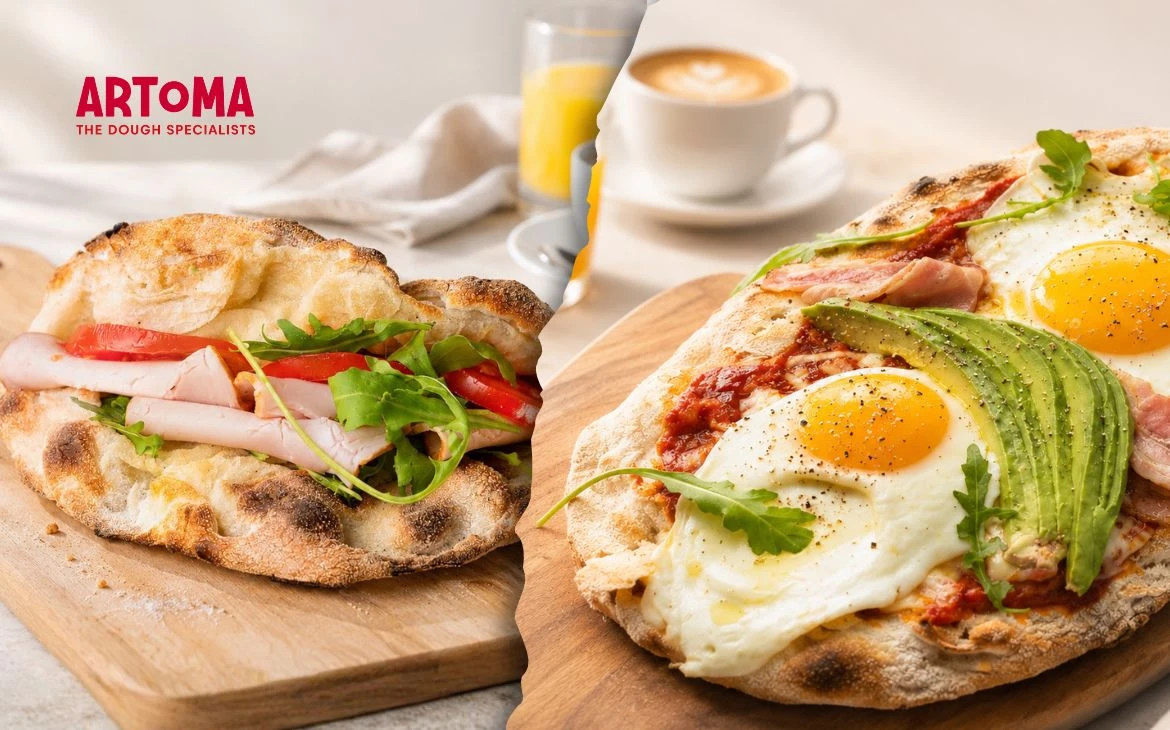
Breakfast is one of the moments that shape the hospitality experience. For guests, it is an opportunity to start their day with familiar flavours or try something different. For hospitality professionals, however, designing a breakfast menu requires a balance between variety, quality and daily kitchen operations.
Eggs, cheeses and traditional baked goods are staples of a hotel breakfast. However, dough-based products can introduce new ideas for savoury dishes and alternative serving styles.
From a carefully prepared sandwich to a Pinsa topped with Mediterranean ingredients, there are plenty of interesting ways to enrich a breakfast menu, provided that each option reflects the style and needs of the establishment.
What Makes a Hotel Breakfast More Interesting?
A generous breakfast does not necessarily need to include dozens of dishes. What matters most is offering choices that cater to different guest preferences.
Some guests may opt for fruit and yoghurt, while others may prefer a more substantial savoury breakfast. There are also guests who seek local flavours or want to try something beyond the usual breakfast options.
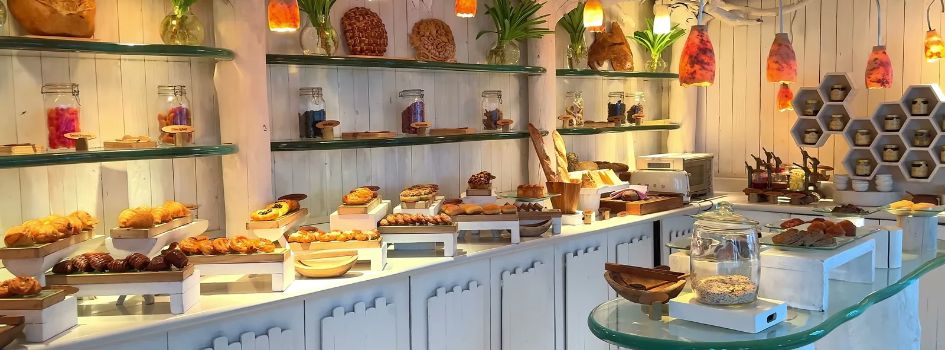
A practical approach is to combine three categories:
- Classic options, such as bread, eggs, cheeses and traditional baked goods.
- Savoury creations, including sandwiches and dishes made with different dough bases.
- Local flavours, featuring ingredients and combinations that reflect the culinary traditions of the destination.
This approach creates meaningful variety without unnecessary repetition across the menu.
How Can Different Dough-Based Products Be Used?
Choosing the right dough base influences flavour, presentation and serving style. A sandwich, an open-faced creation or a small individual portion can cater to different needs within the same breakfast menu.
Savoury Sandwiches with Panino Romano
Sandwiches are a familiar choice, but the selection of bread and fillings can give them a distinctive character.
ARTOMA's Panino Romano can serve as a base for savoury creations tailored to the style of the hotel's breakfast menu.
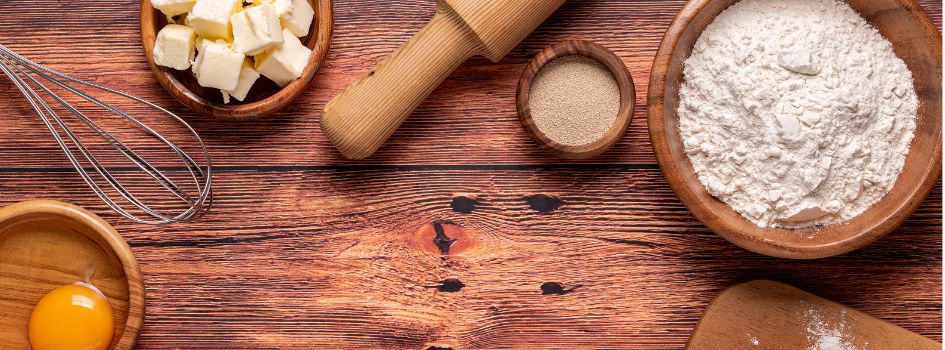
Suggested combinations include:
- Panino with mozzarella, tomato and basil.
- Sandwich with roasted vegetables and cream cheese.
- Panino with omelette, cheese and fresh herbs.
Pinsa Romana in Smaller Portions
Another interesting approach is to use Pinsa Romana beyond its traditional presentation as a complete dish.
The option of cutting it into smaller pieces is also demonstrated in ARTOMA's official recipe for Pinsa as Bread.
For hotel breakfast menus, possible combinations include tomatoes and herbs, roasted vegetables, or cheeses and seasonal ingredients.
These creations can be served in smaller portions or presented as individual dishes. The final choice should be based on the specific product instructions and the actual preparation and serving conditions.
Buffet or À La Carte? How the Service Style Influences Your Choices
For breakfast buffets, ease of serving, presentation and effective replenishment are particularly important.
Smaller portions allow guests to sample different flavours, while the establishment needs to monitor quantities and food holding conditions.
An à la carte breakfast offers greater flexibility for dishes prepared to order, such as a warm sandwich or an individual Pinsa creation.
A hybrid approach is to combine a standard breakfast buffet with a selection of savoury dishes prepared to order.
According to the best practices outlined in WWF's HOTEL KITCHEN programme, careful quantity planning and gradual buffet replenishment can help reduce food waste.
Greek and Mediterranean Ingredients That Give Breakfast a Distinctive Character
A hotel breakfast can offer guests their first introduction to the flavours of the destination.
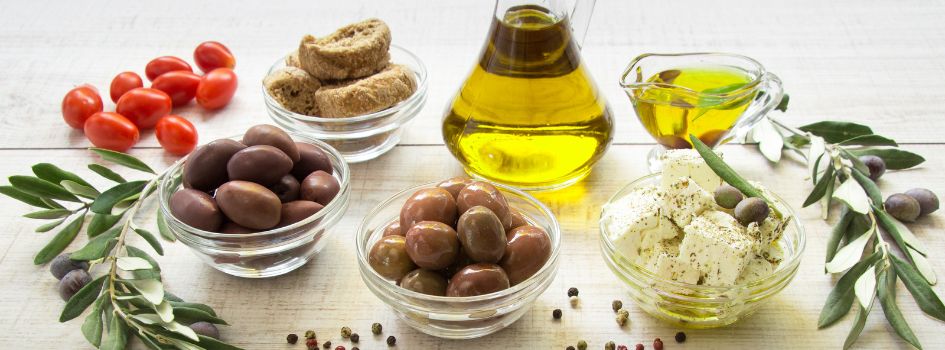
Tomatoes, olives, olive oil, herbs, cheeses and seasonal vegetables provide numerous opportunities for creative combinations.
A sandwich with feta cheese, tomato and oregano can bring a Greek touch to a familiar breakfast option. Similarly, a Pinsa topped with roasted vegetables and aromatic herbs can complement a Mediterranean breakfast menu.
Ingredient selection can reflect seasonality and regional culinary traditions, helping the breakfast menu develop its own distinctive identity.
What to Consider Before Adding a New Breakfast Option
Before introducing a new dough-based product to the daily breakfast menu, several practical factors should be evaluated:
- Serving style: Will it be offered as an individual dish or in smaller portions
- Kitchen organisation: What equipment and preparation procedures are required?
- Quality at the point of service: Does the product maintain the desired flavour and texture under actual operating conditions?
- Food safety: Are storage, preparation and holding instructions followed, along with allergen information requirements?
- Guest response: Which options are most popular, and what quantities are consumed?
Introducing a new option on a trial basis can help the establishment assess whether it meets its operational needs and guest expectations.
More Choices That Add Value to the Guest Experience
Enriching a breakfast menu does not necessarily require more dishes or complex recipes. It can begin with a different dough base, an interesting combination of ingredients or a new approach to presentation.
ARTOMA's Panino Romano and Pinsa Romana offer two distinct approaches to developing savoury breakfast creations.
The final selection should be based on guest needs, kitchen capabilities and the characteristics of each product.
For more information about the available dough-based products, please contact ARTOMA.